
BLOG
Depomin82: Complete Guide to Meaning, Features, Applications, and Future Potential

Depomin82 is an emerging digital concept that reflects innovation, flexibility, and branding potential in today’s fast-paced online environment. As businesses and creators search for distinctive identities, stands out as a unique term that can represent a platform, service, product, or digital ecosystem. Because it is uncommon and memorable, holds strong potential for SEO positioning, niche branding, and scalable online development.
This in-depth guide explains the meaning, structural value, practical applications, and future opportunities connected to . The goal is to provide a clear, human-written, and structured analysis while maintaining natural keyword usage.
What Is Depomin82 and Why Depomin82 Matters
Depomin82 can function as a brand identity, digital platform name, project title, or specialized service label. Its structure combines a distinctive textual element with a numeric suffix, which enhances memorability and uniqueness. In a digital world saturated with generic terms, offers originality that improves discoverability and branding power.
From an SEO perspective, has several advantages:
| Key Element | Explanation | SEO Benefit |
|---|---|---|
| Unique Keyword | Low competition term | Easier ranking potential |
| Memorable Structure | Alphanumeric format | Brand recognition |
| Flexible Usage | Multi-industry adaptability | Broad applicability |
| Digital Identity | Suitable for domains or apps | Strong online presence |
Because is not widely used, it can become a highly controllable brand term for entrepreneurs, startups, and content creators.
Core Features of Depomin82
The effectiveness of depends on how it is positioned and developed. Several structural features make appealing in digital environments.
Brand Flexibility of Depomin82
can be adapted across industries including technology, finance, education, entertainment, and digital marketing. Its neutral yet modern tone allows it to align with both corporate and creative branding.
Scalability Potential of Depomin82
A scalable digital identity is critical for long-term growth. can expand from a simple concept into:
| Stage | Development Phase | Growth Potential |
|---|---|---|
| Phase 1 | Brand or domain launch | Initial awareness |
| Phase 2 | Service or product integration | User engagement |
| Phase 3 | Community building | Audience loyalty |
| Phase 4 | Market expansion | Revenue growth |
This layered approach allows Depomin82 to evolve organically without losing brand consistency.
Digital Memorability of Depomin82
Memorability plays a significant role in marketing success. The combination of letters and numbers in creates a distinctive rhythm that users can recall easily, making it suitable for search engine indexing and direct traffic acquisition.
Practical Applications of Depomin82
can be implemented across multiple digital contexts depending on strategic goals.
Depomin82 as a Technology Platform
In the tech industry, could represent a software application, cloud-based tool, analytics system, or automation solution. Its neutral naming structure allows for professional positioning without industry limitations.
Depomin82 as an Online Brand
For entrepreneurs, could function as a content hub, educational portal, subscription service, or e-commerce brand. Unique naming helps prevent brand confusion while strengthening SEO authority.
Depomin82 in Marketing and Media
Digital marketers understand the importance of low-competition keywords. can serve as a niche-focused authority site, affiliate platform, or branded media channel.
Below is a structured overview of possible applications:
| Industry | Example Use of Depomin82 | Primary Benefit |
|---|---|---|
| Technology | SaaS platform | Innovation positioning |
| Education | Learning portal | Brand authority |
| Finance | Investment tool | Professional credibility |
| Media | Content network | Audience engagement |
| E-commerce | Product brand | Market differentiation |
SEO Strategy Behind Depomin82
An effective SEO strategy requires careful keyword placement, content depth, and semantic relevance. benefits from being a distinctive term, reducing direct competition.
On-Page Optimization for Depomin82
To build strong search engine authority:
-
Include in headings naturally.
-
Maintain keyword density below 4%.
-
Add structured tables for clarity.
-
Use semantic variations around digital branding and innovation.
-
Maintain natural readability.
Content Structure for Depomin82 Authority
Search engines prioritize content that is structured, informative, and helpful. A strong content framework for includes:
| Content Element | Purpose | SEO Value |
|---|---|---|
| Clear Headings | Improve readability | Enhanced indexing |
| Detailed Sections | Increase dwell time | Better engagement |
| Structured Tables | Improve clarity | Rich snippet potential |
| Internal Linking | Authority building | Site strength |
| Consistent Branding | Recognition | Trust signals |
By following these strategies, Depomin82 can gain visibility organically.
Advantages of Building Around Depomin82
Choosing a unique brand like offers several advantages compared to generic keywords.
Competitive Edge of Depomin82
Because is highly distinctive, it avoids overcrowded search markets. This provides a head start in ranking potential and brand ownership.
Brand Ownership and Recognition
When you build content around , you control the narrative. Over time, users associate the keyword with your content, products, or services.
Long-Term Sustainability of Depomin82
Unlike trend-based keywords, can maintain long-term relevance because it is not tied to temporary industry shifts.
Future Growth Potential of Depomin82
Digital transformation continues to reshape industries, creating opportunities for emerging brands. can expand into:
| Growth Area | Opportunity | Long-Term Outlook |
|---|---|---|
| Mobile Apps | Cross-platform expansion | High engagement |
| AI Integration | Smart automation tools | Innovation leadership |
| Global Branding | International reach | Scalable recognition |
| Digital Communities | Loyal user base | Sustainable growth |
Future success depends on consistent content development, audience interaction, and strategic digital positioning.
Branding Strategy for Depomin82
To maximize the impact of , consider the following branding approach:
Visual Identity of Depomin82
A modern logo, consistent typography, and cohesive design help create a professional impression.
Content Authority for Depomin82
Publishing informative and structured content builds trust. The more valuable content connected to , the stronger its domain authority becomes.
Community Engagement Around Depomin82
Encouraging discussions, feedback, and social media interaction strengthens brand loyalty and user retention.
Challenges to Consider for Depomin82
While offers significant potential, growth requires strategic planning.
| Challenge | Solution |
|---|---|
| Initial Visibility | Invest in SEO and content marketing |
| Brand Awareness | Leverage social platforms |
| Audience Trust | Provide transparent information |
| Competitive Landscape | Differentiate through innovation |
With consistent effort, these challenges can be addressed effectively.
Why Depomin82 Stands Out in a Crowded Digital World
Modern digital branding requires uniqueness and adaptability. meets these criteria by offering:
-
Strong memorability
-
Flexible industry application
-
Low competition keyword strength
-
Scalable digital identity
-
High branding control
These characteristics allow to grow from a simple concept into a fully developed digital ecosystem.
Conclusion
Depomin82 represents more than just a keyword; it symbolizes opportunity, originality, and strategic digital growth. Its unique structure provides branding advantages, SEO flexibility, and long-term scalability. Whether positioned as a technology platform, content hub, business identity, or innovative service, holds significant potential in today’s online environment.
By combining thoughtful branding, structured content, and sustainable SEO strategies, can evolve into a recognized and authoritative digital presence. With consistent development and audience engagement, has the capacity to establish strong recognition and measurable impact across industries.
What is CRO? This question is commonly asked in business, digital marketing, cryptocurrency, and even healthcare industries. The term CRO can have multiple meanings depending on context, but it generally represents a strategic function focused on growth, optimization, or executive leadership. Understanding what is CRO is essential for entrepreneurs, marketers, investors, and corporate professionals.
In business and marketing, CRO most often stands for Conversion Rate Optimization. In corporate leadership, it can mean Chief Revenue Officer. In cryptocurrency, CRO refers to the native token of Crypto.com. In healthcare and pharmaceuticals, CRO may also mean Contract Research Organization.
Because the term applies across industries, this article provides a detailed breakdown of what is CRO, its different meanings, practical applications, and strategic importance.
What Is CRO in Digital Marketing
When discussing what is CRO in digital marketing, the meaning refers to Conversion Rate Optimization. This process focuses on increasing the percentage of website visitors who take a desired action.
Core Components of What Is CRO in Marketing
| Element | Description | Purpose |
|---|---|---|
| Landing Page Optimization | Improving design and messaging | Increase conversions |
| A/B Testing | Comparing two versions of content | Identify best performer |
| User Experience (UX) | Enhancing navigation | Reduce bounce rate |
| Analytics Tracking | Monitoring user behavior | Data-driven decisions |
Conversion Rate Optimization helps businesses maximize results without necessarily increasing traffic. Instead of spending more on advertising, companies refine existing traffic performance.
Understanding what is CRO in marketing allows businesses to improve revenue efficiency and customer acquisition performance.
What Is CRO in Corporate Leadership
Another answer to what is CRO relates to executive leadership. In this context, CRO stands for Chief Revenue Officer.
The Chief Revenue Officer is responsible for overseeing all revenue-generating departments, including sales, marketing, partnerships, and customer success.
Responsibilities Linked to What Is CRO as Chief Revenue Officer
| Responsibility | Strategic Goal |
|---|---|
| Revenue Strategy | Drive business growth |
| Sales Alignment | Increase closing rates |
| Marketing Coordination | Ensure consistent messaging |
| Customer Retention | Improve lifetime value |
Companies often appoint a Chief Revenue Officer to unify revenue strategies across departments. This role has grown significantly in modern organizations that prioritize integrated growth models.
What Is CRO in Cryptocurrency
In the blockchain world, what is CRO refers to a digital asset. CRO is the native cryptocurrency token of Crypto.com, a global cryptocurrency platform offering trading, staking, and financial services.
Utility Behind What Is CRO Token
| Use Case | Function |
|---|---|
| Trading Fees | Discounted transaction costs |
| Staking Rewards | Earn passive income |
| Payment Services | Crypto-based payments |
| DeFi Participation | Decentralized finance access |
The CRO token operates within the Crypto.com ecosystem and supports platform functionality. Investors interested in digital assets often research what is CRO to understand its market potential and utility.
What Is CRO in Healthcare and Research
In pharmaceutical and clinical research industries, what is CRO stands for Contract Research Organization. These organizations provide outsourced research services to biotechnology and pharmaceutical companies.
Services Associated with What Is CRO in Healthcare
| Service | Purpose |
|---|---|
| Clinical Trial Management | Conducting medical trials |
| Regulatory Consulting | Compliance guidance |
| Data Analysis | Research evaluation |
| Monitoring Services | Trial supervision |
Contract Research Organizations play a crucial role in accelerating drug development while ensuring regulatory standards are met.
What Is CRO and Why It Is Important
Understanding what is CRO is important because it influences business growth, digital performance, healthcare innovation, and cryptocurrency markets.
Key Benefits of What Is CRO in Different Industries
| Industry | Benefit |
|---|---|
| Marketing | Increased conversions |
| Corporate | Revenue alignment |
| Cryptocurrency | Ecosystem utility |
| Healthcare | Efficient research outsourcing |
The impact of CRO varies by sector, but its focus remains centered on growth, efficiency, and performance optimization.
What Is CRO Strategy in Marketing Optimization
When exploring what is CRO strategy, it involves a systematic process designed to improve conversion performance.
Steps Involved in What Is CRO Strategy
| Step | Action |
|---|---|
| Data Collection | Analyze website metrics |
| Hypothesis Creation | Identify improvement areas |
| Testing | Implement A/B experiments |
| Evaluation | Measure results |
| Optimization | Apply successful changes |
Businesses implementing strategies often see improved engagement and higher return on investment.
What Is CRO Compared to SEO
Many people confuse what is with SEO (Search Engine Optimization). Although related, they serve different purposes.
| Feature | CRO | SEO |
|---|---|---|
| Focus | Conversions | Traffic |
| Goal | Increase actions | Increase visibility |
| Tools | A/B testing | Keyword optimization |
| Metrics | Conversion rate | Organic ranking |
SEO attracts visitors, while converts visitors into customers. Both are essential for a comprehensive digital strategy.
What Is CRO and Data-Driven Decision Making
Modern businesses rely heavily on data. Understanding what is helps companies leverage analytics to guide decisions.
Key performance indicators such as click-through rate, bounce rate, and average session duration influence optimization strategies.
By continuously measuring performance, organizations ensure consistent improvement.
What Is CRO in E-Commerce
In online retail, what is becomes especially critical. E-commerce businesses focus on improving checkout processes, reducing cart abandonment, and enhancing product page clarity.
E-Commerce Metrics Related to What Is CRO
| Metric | Importance |
|---|---|
| Cart Abandonment Rate | Identify friction points |
| Average Order Value | Increase revenue |
| Conversion Rate | Measure sales efficiency |
| Customer Retention | Long-term growth |
Small improvements in conversion rates can significantly impact overall revenue.
What Is CRO and Customer Experience
Customer experience plays a central role in optimization. Clear navigation, fast loading speed, and persuasive messaging influence purchasing decisions.
Understanding what is means recognizing that customer behavior insights drive meaningful improvements.
What Is CRO in Startup Growth
Startups frequently prioritize rapid growth. Knowing what is enables startups to scale efficiently without excessive marketing spending.
Instead of increasing advertising budgets, startups refine messaging, simplify sign-up forms, and improve user flows.
What Is CRO and Risk Considerations
Although strategies offer growth potential, risks exist.
-
Misinterpreting data
-
Running insufficient tests
-
Ignoring user intent
-
Over-optimizing without strategy
Proper planning and careful testing reduce these risks.
What Is CRO and Future Trends
The future of involves artificial intelligence, personalization engines, and predictive analytics. Machine learning models can analyze user behavior and suggest optimized layouts automatically.
Voice search optimization and mobile-first experiences will also shape the future of conversion strategies.
Conclusion
What is ? It is a versatile term representing Conversion Rate Optimization, Chief Revenue Officer, Crypto.com’s token, and Contract Research Organization depending on context. Each meaning plays a vital role in its respective industry.
From improving website conversions to driving corporate revenue, enabling cryptocurrency utility, and supporting medical research, influences growth and efficiency across sectors.
Understanding what is empowers businesses, investors, and professionals to make informed decisions. Whether optimizing a website, leading a company, investing in digital assets, or managing clinical trials, remains a powerful concept in modern strategy.
If you are involved in marketing, leadership, crypto, or healthcare, learning what is can provide significant strategic advantages.
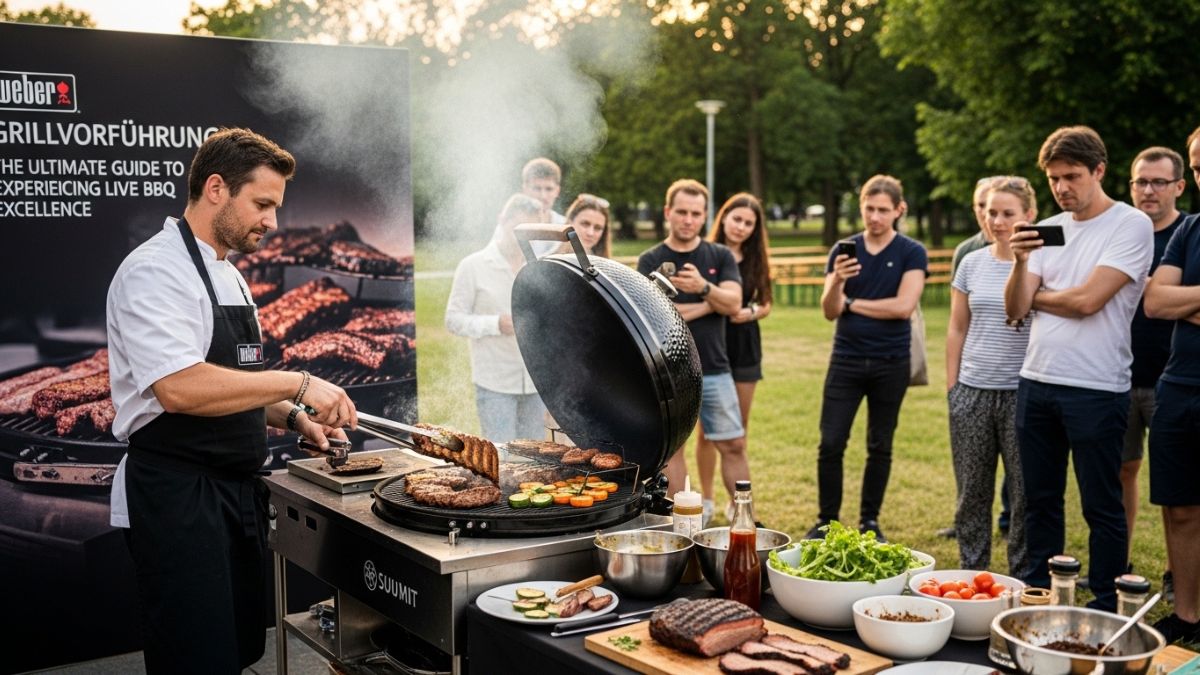
A Weber Grillvorführung is more than just a product demonstration; it is a live culinary experience designed to showcase professional grilling techniques, innovative barbecue equipment, and flavor-enhancing strategies. Whether hosted at a retail store, outdoor event, or specialty cooking workshop, a Weber Grillvorführung provides hands-on learning and expert guidance that transforms beginners into confident grill masters.
Organized around the globally recognized brand Weber Inc., these demonstrations highlight the craftsmanship, technology, and versatility behind modern barbecue equipment. Participants not only observe but also engage, taste, and learn the secrets of heat control, smoke infusion, and perfect searing.
This article explores every dimension of a Weber Grillvorführung, including its structure, benefits, cooking techniques, equipment insights, and why it continues to attract barbecue enthusiasts worldwide.
The Concept Behind Weber Grillvorführung
A centers on live demonstration. Unlike traditional product displays, this format blends education, entertainment, and interactive tasting sessions.
At its core, a focuses on three essential pillars:
| Key Element | Purpose | Participant Benefit |
|---|---|---|
| Live Cooking | Real-time grilling techniques | Practical knowledge |
| Product Showcase | Demonstrating grill features | Informed buying decisions |
| Flavor Education | Seasoning and smoke guidance | Enhanced cooking skills |
This structured approach ensures that attendees leave with actionable insights rather than just theoretical information.
Weber Grillvorführung and the Evolution of Modern Grilling
The popularity of the reflects the broader evolution of barbecue culture. Grilling has shifted from simple outdoor cooking to a refined culinary art. With innovations such as precision temperature control and indirect heat systems, modern grills have become multifunctional cooking stations.
The influence of Weber Kettle Grill revolutionized backyard cooking decades ago. Today, live demonstrations highlight advanced models such as the Weber Genesis and the Weber Smokey Mountain Cooker, showing how technology enhances consistency and flavor.
Through a , attendees witness firsthand how these tools simplify complex cooking techniques.
Structure of a Weber Grillvorführung Event
A well-organized follows a logical flow designed to maximize learning and engagement.
Welcome and Introduction in Weber Grillvorführung
The session typically begins with an introduction to grilling fundamentals. Experts explain fuel types, grill assembly, and safety practices.
Equipment Demonstration in Weber Grillvorführung
In this segment, the presenter showcases grill components such as:
-
Lid thermometers
-
Ventilation systems
-
Burner configurations
-
Charcoal baskets
These details help participants understand how each feature contributes to cooking performance.
Live Cooking Techniques in Weber Grillvorführung
This is the highlight of the experience. Professional grill masters demonstrate:
-
Direct grilling for steaks
-
Indirect grilling for whole chicken
-
Low-and-slow smoking for ribs
-
Vegetable roasting techniques
The demonstration emphasizes temperature zones, lid control, and timing precision.
Cooking Techniques Explained During Weber Grillvorführung
One of the strongest advantages of attending a is learning practical cooking methods.
| Technique | Heat Type | Ideal Dishes | Key Advantage |
|---|---|---|---|
| Direct Heat | High and fast | Steaks, burgers | Quick sear |
| Indirect Heat | Medium and controlled | Whole poultry | Even cooking |
| Smoking | Low and slow | Ribs, brisket | Deep flavor |
| Two-Zone Cooking | Mixed heat zones | Thick cuts | Precision control |
Understanding these methods empowers grillers to expand their culinary repertoire beyond simple burgers and sausages.
Flavor Mastery in Weber Grillvorführung
Flavor development is a central theme in every. Experts often discuss:
-
Dry rub preparation
-
Marinade balance
-
Wood chip selection
-
Smoke pairing with proteins
For example, hickory wood enhances beef flavors, while applewood complements poultry. During live sessions, participants can taste the differences, reinforcing sensory learning.
The demonstration often includes seasoning comparisons and timing adjustments to avoid overcooking or dryness.
Product Innovation Highlighted in Weber Grillvorführung
A also serves as a platform for showcasing innovation. Modern grills feature:
-
Electronic ignition systems
-
Precision temperature gauges
-
Integrated grease management
-
Modular cooking grates
These innovations make grilling safer, cleaner, and more efficient.
The event frequently compares charcoal and gas grilling approaches, helping consumers choose equipment aligned with their cooking style.
Benefits of Attending a Weber Grillvorführung
Attending a provides multiple advantages:
Practical Skill Development in Weber Grillvorführung
Live demonstrations allow attendees to observe real-time adjustments. This reduces trial-and-error mistakes at home.
Informed Purchase Decisions in Weber Grillvorführung
Seeing equipment in action builds confidence before investing in premium grills.
Community Engagement in Weber Grillvorführung
Barbecue culture thrives on shared experiences. These events create a social atmosphere where enthusiasts exchange ideas and recipes.
Weber Grillvorführung and Retail Strategy
Retailers often host a to drive customer engagement. Live cooking attracts foot traffic and builds brand loyalty.
| Retail Objective | Outcome |
|---|---|
| Product Awareness | Higher visibility |
| Customer Interaction | Increased trust |
| Demonstration Sales | Boosted conversions |
| Brand Loyalty | Repeat purchases |
The interactive element transforms passive browsing into active participation.
Safety and Sustainability in Weber Grillvorführung
Safety remains a critical component of every . Demonstrators cover:
-
Safe ignition procedures
-
Proper ventilation
-
Cleaning protocols
-
Safe meat handling
Sustainability is also emphasized, including efficient fuel use and responsible charcoal disposal.
Modern grills are designed to minimize waste and optimize energy efficiency, aligning with environmentally conscious cooking practices.
Digital Influence on Weber Grillvorführung
In recent years, events have expanded into digital platforms. Live streaming and online workshops allow global audiences to participate virtually.
Video tutorials, recipe guides, and interactive Q&A sessions further extend the learning experience. This hybrid approach combines traditional in-person demonstrations with digital accessibility.
Comparing Grill Types in Weber Grillvorführung
One of the most requested topics during a is the comparison between grill types.
| Grill Type | Fuel Source | Cooking Style | Ideal For |
|---|---|---|---|
| Charcoal | Briquettes or lump charcoal | Authentic smoky flavor | Traditionalists |
| Gas | Propane or natural gas | Quick convenience | Busy households |
| Smoker | Charcoal with wood | Low-and-slow cooking | BBQ enthusiasts |
| Electric | Electric heating element | Indoor-friendly | Urban living |
This comparison helps participants choose equipment tailored to their lifestyle.
The Experience Factor of Weber Grillvorführung
Beyond technical instruction, a delivers an immersive experience. The aroma of sizzling food, the crackle of charcoal, and the visual appeal of grill marks create a sensory connection.
Participants often discover that grilling is not merely cooking but an art form that combines patience, timing, and creativity.
Future Trends in Weber Grillvorführung
The future of events may include:
-
Smart grill integration
-
App-based temperature monitoring
-
Sustainable fuel alternatives
-
Plant-based grilling demonstrations
As consumer preferences evolve, demonstrations will likely incorporate diverse culinary traditions and dietary needs.
Conclusion
A represents the perfect fusion of education, innovation, and culinary enjoyment. By combining live demonstrations, product insights, and flavor exploration, these events empower participants to elevate their grilling skills.
From mastering direct heat techniques to understanding advanced smoker systems, attendees gain both theoretical knowledge and practical confidence. Supported by the legacy of Weber Inc., these demonstrations continue to shape modern barbecue culture.
Whether you are a beginner seeking foundational skills or an experienced griller refining advanced techniques, a offers a dynamic and engaging pathway to barbecue excellence.
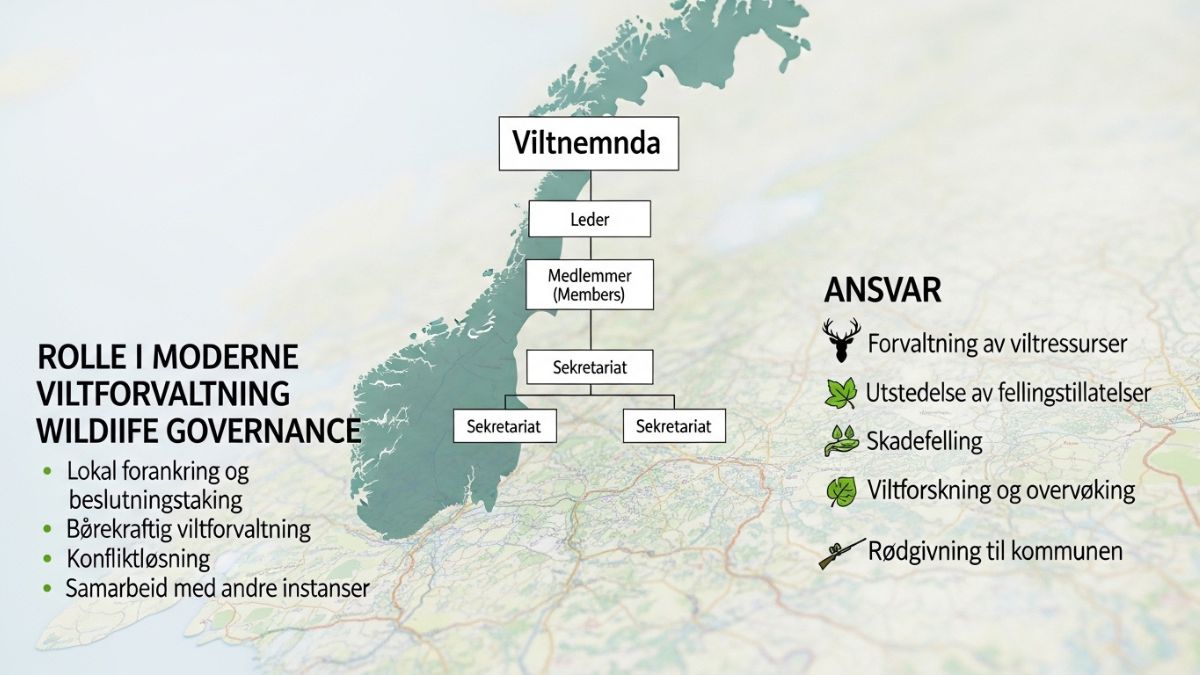
Viltnemnda plays a vital role in wildlife governance and environmental stewardship across local municipalities. The term refers to a municipal wildlife board responsible for managing wild animal populations, regulating hunting practices, and ensuring ecological sustainability within defined regions. In countries like Norway, Viltnemnda functions as a local authority working within national wildlife legislation frameworks.
At its core, Viltnemnda acts as a bridge between national environmental policy and local ecological realities. While central governments define overarching conservation goals, this body ensures that those objectives are effectively implemented on the ground. By coordinating with hunters, landowners, conservation groups, and public agencies, Viltnemnda maintains a balanced approach between environmental protection and responsible resource use.
Understanding Viltnemnda requires examining its structure, legal basis, responsibilities, and long-term environmental impact. This article provides a comprehensive and structured look into how Viltnemnda contributes to sustainable wildlife governance.
Legal Foundation of Viltnemnda
Viltnemnda operates under national wildlife legislation, particularly regulations connected to acts such as the Wildlife Act. These laws outline how wildlife resources should be managed, protected, and utilized in a sustainable manner.
The legal framework ensures that Viltnemnda does not operate independently of national goals. Instead, it works within defined legal parameters that emphasize:
| Legal Aspect | Description | Practical Impact |
|---|---|---|
| Wildlife Protection | Safeguarding biodiversity | Prevents overhunting |
| Sustainable Harvest | Controlled hunting quotas | Maintains population balance |
| Habitat Conservation | Protection of ecosystems | Supports long-term species survival |
| Public Safety | Regulation of wildlife conflicts | Reduces human-wildlife incidents |
Through this legal structure, Viltnemnda gains authority to implement hunting quotas, approve management plans, and oversee compliance with wildlife regulations.
Organizational Structure of Viltnemnda
Viltnemnda typically consists of elected municipal representatives or appointed officials with experience in environmental governance. Its structure ensures democratic oversight while incorporating scientific guidance.
The organization often collaborates with:
-
Municipal councils
-
Environmental advisory committees
-
Forestry departments
-
Hunting associations
The relationship between Viltnemnda and municipal authorities is essential. It ensures that wildlife policies align with local land-use planning and environmental strategies. While decisions are localized, they remain consistent with national environmental priorities.
In many municipalities, Viltnemnda also works alongside the Norwegian Environment Agency, which provides guidelines and scientific recommendations.
Core Responsibilities of Viltnemnda
Viltnemnda carries out several interconnected responsibilities that collectively shape regional wildlife management.
Viltnemnda and Wildlife Population Management
One of the primary duties of is monitoring wildlife populations. This includes assessing species density, migration patterns, reproduction rates, and ecological balance. Based on these assessments, the board sets annual hunting quotas.
| Species Category | Monitoring Method | Management Decision |
|---|---|---|
| Large Game | Population surveys | Annual harvest limits |
| Small Game | Field tracking | Seasonal regulation |
| Predator Species | Ecological analysis | Protective measures |
| Endangered Species | Scientific reporting | Strict conservation rules |
By basing decisions on scientific data, ensures that hunting activities remain sustainable.
Viltnemnda and Hunting Regulation
Hunting regulation is another central responsibility. determines hunting seasons, approves local plans, and ensures compliance with licensing rules. This helps prevent illegal hunting while supporting traditional practices.
The board also manages disputes between hunters and landowners, ensuring fair access and adherence to regulations.
Viltnemnda and Human-Wildlife Conflict Resolution
Wild animals sometimes create challenges in agricultural or residential areas. plays a role in resolving such conflicts through controlled culling permits, relocation efforts, or compensation mechanisms.
This balanced approach protects both biodiversity and local livelihoods.
Ecological Impact of Viltnemnda
contributes significantly to biodiversity conservation. By carefully regulating harvest levels and protecting sensitive habitats, it maintains ecological equilibrium.
For example, managing populations of large herbivores prevents overgrazing, which could otherwise damage forest regeneration. Similarly, predator management ensures that prey populations do not expand uncontrollably.
Environmental sustainability is central to mission. The board promotes practices that align with broader climate and conservation objectives.
Viltnemnda and Community Engagement
Public participation is a defining feature of operations. Community involvement ensures transparency and accountability.
frequently engages with:
-
Local hunters
-
Farmers and landowners
-
Environmental NGOs
-
Municipal residents
Public meetings, consultation sessions, and transparent reporting mechanisms help build trust. This inclusive governance model strengthens compliance and reduces conflict.
Challenges Facing Viltnemnda
Despite its structured framework, faces modern challenges.
Climate Change Pressures
Changing climate patterns affect migration routes, breeding seasons, and habitat stability. must continuously adapt management plans to respond to these ecological shifts.
Increasing Urbanization
Urban expansion reduces wildlife habitats, leading to more frequent human-animal interactions. Balancing development with conservation requires careful planning.
Balancing Economic and Ecological Interests
Hunting tourism and forestry industries contribute to local economies. must ensure economic benefits do not undermine ecological sustainability.
Comparative Perspective on Viltnemnda
Although is most closely associated with Norway, similar municipal wildlife boards exist in other Nordic countries. These institutions share common principles:
| Country | Local Wildlife Authority | Key Focus |
|---|---|---|
| Norway | Viltnemnda | Sustainable harvest |
| Sweden | Municipal wildlife boards | Biodiversity balance |
| Finland | Regional game councils | Population monitoring |
| Denmark | Local environmental committees | Habitat conservation |
This comparative view shows how decentralized governance models can effectively manage wildlife resources.
Transparency and Accountability in Viltnemnda
Transparency strengthens the credibility of . Publicly accessible reports, documented decisions, and annual wildlife statistics ensure accountability.
The board typically publishes:
-
Annual harvest statistics
-
Species population estimates
-
Regulatory updates
-
Environmental impact assessments
Such reporting mechanisms ensure that management decisions remain evidence-based and publicly scrutinized.
Technological Integration in Viltnemnda Operations
Modern wildlife governance increasingly relies on technology. integrates digital tools such as:
-
GPS tracking for wildlife movement
-
Digital licensing systems
-
Online reporting platforms
-
Geographic Information Systems (GIS)
These tools enhance data accuracy and administrative efficiency, allowing to make more informed decisions.
Future Outlook for Viltnemnda
The future of lies in adaptive management. As ecological conditions evolve, flexible policy frameworks will become increasingly important.
Key future priorities include:
-
Strengthening climate resilience strategies
-
Expanding scientific collaboration
-
Enhancing digital monitoring systems
-
Increasing public awareness campaigns
By embracing innovation while preserving traditional knowledge, can continue serving as a cornerstone of sustainable wildlife governance.
Conclusion
represents a structured, community-oriented approach to wildlife management. Operating within national legislation and local governance frameworks, it balances conservation with sustainable resource use.
Through scientific monitoring, regulated hunting practices, habitat protection, and transparent decision-making, ensures ecological stability and community engagement. Its role demonstrates how decentralized governance can effectively protect biodiversity while supporting local economies.
As environmental challenges intensify, the importance of will only grow. By adapting to climate change, technological advancements, and shifting societal expectations, remains central to responsible wildlife stewardship in modern governance systems.
-

 BLOG11 months ago
DoujinDesu: Your Gateway to Manga and Doujinshi Culture
-

 FASHION8 months ago
The Enigma of “u231748506”: Decoding the Mystery Behind the Alphanumeric Sequence
-

 HOME8 months ago
Mary Marquardt: The Untold Story of Her Life and Legacy
-

 HEALTH11 months ago
Kerrigan Lawyer Yoga: A Unique Blend of Legal Expertise and Mindful Practice
-

 FASHION11 months ago
Erin Ann Shipka: A Rising Star with a Unique Legacy
-

 ENTERTAINMENT11 months ago
Understanding WAVR-297: A Comprehensive Overview
-

 BUSINESS11 months ago
Understanding PO18: A Comprehensive Guide
-

 BLOG3 months ago
Ydesi: Exploring the Meaning, Significance, and Popularity