
BUSINESS
Recyclatanteil: Meaning, Importance, Calculation, and Industry Impact

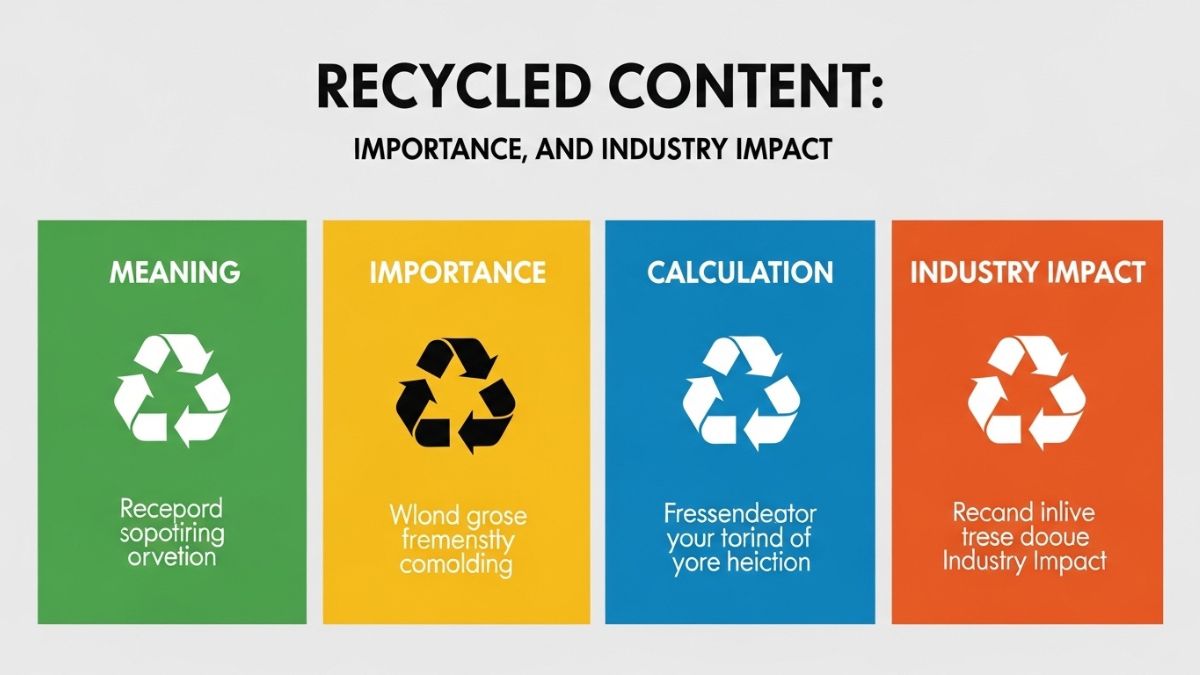
The term recyclatanteil refers to the percentage of recycled material used in a product, packaging, or manufacturing process. In simple terms, recyclatanteil indicates how much of a product is made from recycled raw materials instead of virgin resources. As sustainability becomes a global priority, recyclatanteil plays a central role in environmental protection, waste reduction, and corporate responsibility.
Governments, manufacturers, and consumers are increasingly paying attention to recyclatanteil because it directly influences carbon footprints, resource efficiency, and compliance with environmental regulations. Companies that clearly communicate their recyclatanteil often gain trust and competitive advantage in eco-conscious markets.
In this article, you will learn what recyclatanteil means, why it matters, how it is calculated, and how different industries apply it in practice.
What Is Recyclatanteil and Why Is It Important
Recyclatanteil is a sustainability indicator that shows the proportion of recycled content within a product. It is commonly used in packaging, plastics, construction materials, electronics, textiles, and automotive components.
Key Functions of Recyclatanteil
Recyclatanteil supports environmental and economic goals by:
-
Reducing the use of virgin raw materials
-
Lowering greenhouse gas emissions
-
Minimizing landfill waste
-
Encouraging circular economy systems
-
Improving brand sustainability ratings
The importance of recyclatanteil has grown significantly in regions where strict recycling laws apply. Companies must often meet minimum recycled content thresholds to sell certain products.
Recyclatanteil in the Circular Economy
The concept of recyclatanteil is closely connected to the circular economy. Instead of following a linear “take-make-dispose” model, the circular economy emphasizes reuse, recycling, and material recovery.
How Recyclatanteil Supports Circular Systems
Recyclatanteil helps close the material loop by ensuring that waste becomes a resource. When manufacturers incorporate recycled content into new products, they reduce dependency on natural extraction.
Below is a simplified comparison of linear vs circular models:
| Model Type | Resource Flow | Role of Recyclatanteil |
|---|---|---|
| Linear Economy | Extract → Produce → Dispose | Minimal or none |
| Circular Economy | Produce → Use → Recycle → Reuse | Central element |
In a circular model, becomes measurable proof of sustainability performance.
How Recyclatanteil Is Calculated
Understanding how recyclatanteil is calculated is essential for manufacturers and regulatory compliance.
Basic Formula for Recyclatanteil
is typically calculated using the following formula:
(%) = (Weight of Recycled Material / Total Product Weight) × 100
For example:
| Component | Weight (kg) |
|---|---|
| Recycled Plastic | 4 kg |
| Virgin Plastic | 6 kg |
| Total Weight | 10 kg |
| Recyclatanteil | 40% |
In this example, the is 40%.
Types of Recycled Content
There are two main types considered in recyclatanteil calculations:
| Type of Recycled Content | Description |
|---|---|
| Post-Consumer Recyclate | Material recycled after consumer use |
| Post-Industrial Recyclate | Manufacturing waste reused internally |
Post-consumer recyclate is often more valued because it directly reduces household or commercial waste streams.
Recyclatanteil in Packaging Industry
Packaging is one of the largest sectors where plays a critical role. Governments worldwide require minimum recycled content in plastic bottles, food containers, and shipping materials.
Example: Plastic Bottle Recyclatanteil
Many beverage manufacturers now produce bottles with 25% to 100% recycled PET (rPET). Increasing in packaging reduces:
-
Oil consumption
-
Carbon emissions
-
Environmental pollution
Benefits for Packaging Companies
Higher provides:
-
Regulatory compliance
-
Stronger brand positioning
-
Lower environmental taxes in some regions
-
Improved ESG (Environmental, Social, Governance) scores
Recyclatanteil in Construction Materials
The construction sector increasingly integrates into building materials such as concrete, steel, insulation, and glass.
Examples in Construction
| Material | Typical Recyclatanteil Range |
|---|---|
| Structural Steel | 60% – 95% |
| Recycled Concrete Aggregate | 20% – 50% |
| Insulation Materials | 30% – 80% |
Using higher in buildings contributes to green building certifications and sustainability ratings.
Legal Regulations Related to Recyclatanteil
Different countries have introduced laws to promote higher in products.
Regulatory Drivers
Governments may require:
-
Minimum recycled content percentages
-
Clear labeling of
-
Environmental reporting standards
-
Packaging waste reduction targets
Failure to meet requirements can result in penalties or restricted market access.
Environmental Benefits of Increasing Recyclatanteil
contributes significantly to environmental protection.
Reduction in Carbon Emissions
Producing goods from recycled materials usually consumes less energy compared to extracting virgin raw materials.
| Material | Energy Savings with Recyclatanteil |
|---|---|
| Aluminum | Up to 95% less energy |
| Steel | Around 60% less energy |
| Plastic | 30% – 70% less energy |
Resource Conservation
Higher reduces mining, drilling, and deforestation activities. This helps preserve ecosystems and biodiversity.
Economic Advantages of Recyclatanteil
is not only an environmental concept; it also offers financial benefits.
Cost Efficiency
Although initial investment in recycling systems may be high, long-term savings often occur through:
-
Reduced material costs
-
Lower waste disposal fees
-
Improved supply chain resilience
Competitive Advantage
Consumers increasingly prefer products with visible labels. Companies that highlight can strengthen customer loyalty.
Challenges in Increasing Recyclatanteil
Despite its benefits, increasing comes with challenges.
Quality Concerns
Some recycled materials may have:
-
Lower mechanical strength
-
Color variations
-
Contamination risks
Manufacturers must maintain strict quality controls.
Supply Limitations
Demand for high-quality recycled materials sometimes exceeds supply, limiting growth.
Strategies to Improve Recyclatanteil
Companies can take several practical steps to increase .
Design for Recycling
Products designed for easy disassembly and sorting improve rates.
Supplier Collaboration
Partnering with recycling facilities ensures stable supply of recycled raw materials.
Transparency and Certification
Third-party certification enhances trust in declared values.
Recyclatanteil and Corporate Sustainability Reporting
Many companies now report in sustainability or ESG reports.
Key Reporting Indicators
| Indicator | Description |
|---|---|
| Total Recycled Content | Overall recyclatanteil percentage |
| Post-Consumer Share | Portion from consumer waste |
| Annual Increase Rate | Year-over-year growth in recyclatanteil |
Transparent reporting strengthens investor confidence and demonstrates environmental commitment.
Future Trends of Recyclatanteil
The future of is shaped by innovation and regulation.
Technological Advancements
New chemical recycling methods allow materials to be reused multiple times without quality loss.
Mandatory Minimum Standards
More countries are likely to enforce minimum requirements, especially in packaging and automotive industries.
Consumer Awareness
As consumers become more environmentally aware, will become a major purchasing criterion.
Conclusion
Recyclatanteil is a critical measure of sustainability that reflects how effectively materials are reused in modern production systems. By increasing , industries reduce environmental impact, comply with regulations, and improve economic resilience.
Whether in packaging, construction, automotive, or consumer goods, represents progress toward a circular economy. Companies that invest in higher today position themselves for long-term environmental and financial success.
As global sustainability standards tighten, will continue to influence product design, corporate strategies, and consumer decisions. Understanding and implementing is no longer optional—it is essential for responsible growth in a resource-conscious world.



As awareness of environmental issues grows, businesses and individuals are increasingly seeking sustainable alternatives to traditional plastic tableware. Eco-friendly disposable tableware offers a practical, hygienic, and environmentally responsible solution for restaurants, catering events, and everyday use. Materials such as bamboo, wood, and paper are renewable, biodegradable, and compostable, making them an ideal choice for reducing environmental impact.
In this guide, you’ll learn about different types of eco-friendly disposable tableware, their advantages, tips for selecting the right products, and why partnering with certified suppliers like Disposable tableware Manufacturers ensures high-quality and sustainable options for your needs.
- Why Choose Eco-Friendly Disposable Tableware
Disposable tableware has traditionally relied on plastic, which contributes to landfill waste, ocean pollution, and carbon emissions. Eco-friendly alternatives offer several benefits:
1.1 Environmental Benefits
- Made from renewable resources such as bamboo, sugarcane, and wood pulp
- Biodegradable and compostable, reducing landfill waste
- Helps minimize carbon footprint compared to single-use plastics
1.2 Safety and Health
- Free from harmful chemicals like BPA and phthalates
- Non-toxic materials that are safe for food contact
- Natural and hygienic, suitable for hot and cold foods
1.3 Convenience
- Ideal for large events, outdoor dining, or catering
- Lightweight and disposable, reducing cleanup time
- Compatible with both commercial and personal use
1.4 Brand Image
- Demonstrates commitment to sustainability
- Appeals to eco-conscious customers
- Differentiates your business in a competitive market
- Common Materials for Eco-Friendly Disposable Tableware
Selecting the right material depends on your event type, budget, and environmental goals.
2.1 Bamboo Tableware
Bamboo is one of the fastest-growing renewable resources, making it a popular choice.
Advantages:
- Strong and durable, suitable for plates, bowls, and cutlery
- Naturally antibacterial
- Lightweight yet sturdy
- Biodegradable and compostable
Applications: Restaurants, catering, picnics, and eco-friendly events.
2.2 Wooden Tableware
Wooden disposable tableware offers rustic aesthetics and reliable performance.
Advantages:
- Sturdy for hot or heavy foods
- Sustainable if sourced from responsibly managed forests
- Naturally attractive and customizable
Applications: Food festivals, outdoor catering, and casual dining.
2.3 Paper Tableware
Paper-based tableware is versatile, lightweight, and ideal for high-volume events.
Advantages:
- Cost-effective for large gatherings
- Can be coated with biodegradable PLA to handle liquids
- Available in printed and customized designs
Applications: Parties, corporate events, and fast-casual restaurants.
2.4 Sugarcane (Bagasse) Tableware
Bagasse is a byproduct of sugarcane processing and is highly sustainable.
Advantages:
- Heat-resistant and suitable for microwaving
- Biodegradable and compostable
- Smooth surface ideal for food presentation
Applications: Cafeterias, catering, and takeaway services.
2.5 Cornstarch Tableware
Compostable cornstarch tableware is lightweight and eco-friendly.
Advantages:
- Clear or white finish suitable for modern aesthetics
- Compostable and biodegradable
- Safe for hot or cold foods
Applications: Cafes, events, and dessert serving.
- Types of Disposable Tableware Products
Eco-friendly disposable tableware includes a wide range of items for dining and serving.
3.1 Plates and Bowls
- Round or square shapes in various sizes
- Suitable for hot or cold foods
- Available in bamboo, wood, paper, or bagasse
3.2 Cups and Glasses
- Paper cups with compostable linings
- Bamboo or wooden cups for cold beverages
- Suitable for parties, takeout, and events
3.3 Cutlery
- Forks, knives, spoons, and sporks
- Made from bamboo or wood
- Lightweight yet strong for repeated use during events
3.4 Food Trays and Containers
- Compartment trays for meals or snacks
- Suitable for takeout and catering services
- Microwave and oven-safe options available
3.5 Straws and Accessories
- Bamboo or paper straws
- Compostable stirrers and toothpicks
- Enhances eco-conscious dining experience
- Advantages of Using Eco-Friendly Disposable Tableware
4.1 Reduced Environmental Impact
- Minimizes single-use plastic waste
- Supports composting initiatives
- Encourages sustainable practices among consumers
4.2 Versatility
- Suitable for indoor and outdoor events
- Available in different sizes, shapes, and styles
- Compatible with hot, cold, or oily foods
4.3 Cost-Effectiveness
- Competitive pricing for bulk orders
- Reduces cleaning and labor costs compared to reusable tableware
4.4 Branding Opportunities
- Customizable with logos, designs, or colors
- Reinforces your commitment to sustainability
- Choosing the Right Disposable Tableware for Your Event or Business
5.1 Consider Your Audience
- Eco-conscious customers may prefer bamboo or bagasse
- Casual events may benefit from cost-effective paper options
5.2 Match Tableware with Food Type
- Use sturdy bamboo or wooden plates for heavy meals
- Bagasse trays are ideal for fast-food or takeout
- Paper cups for cold beverages or hot coffee
5.3 Factor in Durability
- Ensure cutlery can handle the intended meal
- Plates and bowls should support the weight of foods without bending
5.4 Check Certification and Quality
- Look for biodegradable, compostable, and food-safe certifications
- Ensure manufacturing meets environmental and safety standards
5.5 Supplier Reliability
- Choose manufacturers with proven experience and high-quality products
- Opt for suppliers like Disposable tableware Manufacturerswho specialize in eco-friendly solutions
- Sustainability Practices for Businesses
Using eco-friendly disposable tableware is part of a broader sustainability strategy:
6.1 Promote Composting
- Encourage customers to dispose of tableware in compost bins
- Partner with local composting facilities
6.2 Reduce Single-Use Plastic
- Replace plastic straws, cutlery, and plates with eco-friendly alternatives
- Train staff to use sustainable materials
6.3 Educate Customers
- Use signage or digital messaging to explain environmental benefits
- Raise awareness about sustainable dining practices
6.4 Bulk Ordering
- Reduce packaging waste by ordering in bulk
- Negotiate with suppliers for sustainable packaging solutions
- Common Misconceptions About Eco-Friendly Disposable Tableware
7.1 “Eco-Friendly Means Fragile”
- Modern bamboo, bagasse, and wooden products are sturdy and reliable
- Designed to handle hot, cold, and heavy foods
7.2 “It’s Expensive”
- Bulk purchasing reduces cost per unit
- Long-term savings from reduced cleaning and labor offset initial investment
7.3 “Composting Is Complicated”
- Many products are accepted in standard compost facilities
- Clear labeling makes disposal easy for consumers
- Tips for Maximizing the Use of Eco-Friendly Tableware
- Choose the Right Material:Match tableware with food type and event size.
- Test for Strength:Ensure plates, cups, and cutlery can withstand meal service.
- Educate Staff:Train employees on proper disposal and handling.
- Promote Sustainability:Use signage or digital communication to inform customers.
- Order Strategically:Bulk orders save cost and reduce packaging waste.
- Eco-Friendly Tableware Trends
- Minimalist Designs:Clean, modern aesthetics with natural textures
- Customized Branding:Logos and event-specific designs
- Biodegradable Packaging:Combining plates, cups, and containers in compostable sets
- Reusable Options:Some businesses offer durable bamboo tableware for repeated use
These trends reflect consumer demand for environmentally responsible yet stylish dining solutions.
- Why Partner with Professional Suppliers
Working with experienced suppliers like Disposable tableware Manufacturers provides several advantages:
10.1 Quality Assurance
- Certified, food-safe, and eco-friendly materials
- Durable products suitable for commercial and personal use
10.2 Product Variety
- Wide range of bamboo, wood, paper, and bagasse items
- Options for plates, cups, cutlery, trays, and straws
10.3 Customization
- Tailored designs for events, restaurants, and catering
- Branding opportunities to enhance business visibility
10.4 Sustainability Commitment
- Environmentally responsible production processes
- Compliance with international eco-certifications
10.5 Reliable Supply
- Consistent product availability for large events or ongoing restaurant use
- Efficient logistics and shipping
- Final Thoughts: Make the Switch to Sustainable Tableware
Eco-friendly disposable tableware is a practical, stylish, and environmentally responsible choice for businesses, events, and everyday dining. By selecting the right materials, such as bamboo, wood, paper, or bagasse, you reduce environmental impact while providing a safe and convenient dining experience.
Partnering with a trusted supplier like Disposable tableware Manufacturers ensures access to high-quality, certified, and customizable tableware that meets your specific needs. Whether you’re hosting a large-scale event, running a restaurant, or organizing a casual gathering, choosing sustainable disposable tableware is a step toward a greener, more responsible future.

Introduction
PO18 is a term that has gained attention in various online communities, particularly among readers and writers of adult fiction. While it may seem obscure to some, plays a significant role in the digital literature landscape, especially in niche genres. This article explores the origins, significance, and impact of , along with its relevance in contemporary online reading platforms.
What is PO18?
PO18 is a content rating or categorization label often used on online literature platforms to indicate adult-oriented fiction. The term is most commonly associated with “Pixiv Originals 18+” (PO18), a section on the Japanese art and literature platform Pixiv that hosts mature content. However, it has also been adopted by other writing and reading websites to denote stories with explicit themes, including romance, erotica, and dark fiction.
Origins of PO18
The label likely originated from Pixiv, a popular Japanese platform where artists and writers share their work. Pixiv has a dedicated section for adult content, labeled “R-18” (Restricted-18), and may be an extension of this classification. Over time, the term spread to other platforms, particularly those hosting translated or inspired works from Pixiv.
PO18 in Online Literature
Many online novel platforms, such as Webnovel, Wattpad (for mature content), and specialized adult fiction sites, use tags like to help readers filter content based on their preferences. These platforms often require age verification before granting access to -labeled stories.
Common Genres Under PO18
PO18 stories span multiple genres, including:
-
Erotic Romance – Focused on intimate relationships with explicit scenes.
-
Dark Fiction – Includes themes like non-consensual scenarios, BDSM, and psychological thrillers.
-
Fantasy & Sci-Fi Erotica – Combines world-building with adult content.
-
LGBTQ+ Fiction – Features mature themes within queer narratives.
Why PO18 Matters
1. Content Moderation & Reader Safety
Platforms use PO18 to ensure that explicit content is only accessible to adult audiences. This helps maintain community guidelines and prevents underage users from stumbling upon inappropriate material.
2. Freedom for Writers
PO18 allows authors to explore mature themes without censorship, fostering creativity in romance and erotica writing. Many writers use this label to reach audiences who enjoy adult fiction without restrictions.
3. Reader Preferences & Filtering
For readers who enjoy steamy or dark stories, acts as a quick identifier. It helps them find content that aligns with their tastes while avoiding platforms that heavily restrict such material.
Controversies Surrounding PO18
Despite its benefits, PO18 content is not without controversy:
1. Ethical Concerns
Some critics argue that certain genres (like non-consensual or extreme dark fiction) can normalize harmful behaviors. Platforms must balance creative freedom with responsible content moderation.
2. Piracy & Unauthorized Translations
Many PO18 stories, especially those from Pixiv, are translated and reposted without permission. This raises issues of copyright infringement and loss of revenue for original creators.
3. Platform Bans & Shadowbanning
Some websites (like Wattpad and Tumblr) have cracked down on adult content, forcing PO18 writers to migrate to alternative platforms. This has led to the rise of dedicated adult fiction sites like AO3 (Archive of Our Own) and Literotica.
Where to Find PO18 Content?
For readers interested in PO18 stories, here are some popular platforms:
-
Pixiv (Original Japanese content)
-
AO3 (Archive of Our Own) – Fanfiction and original works with mature tags.
-
Wattpad (Mature Section) – Requires account age verification.
-
Webnovel – Some adult-themed stories under tags.
-
Literotica – A long-standing site for erotic fiction.
The Future of PO18
As digital literature evolves, will likely remain a key classification for adult fiction. However, platforms will need to address:
-
Better age verification systems to protect minors.
-
Stronger anti-piracy measures to support creators.
-
Balancing creative freedom with ethical storytelling.
Conclusion
PO18 serves as an essential marker in the world of online adult fiction, helping writers and readers navigate mature content responsibly. While debates about its ethical implications continue, there’s no denying its impact on digital storytelling. As platforms adapt to changing regulations, will continue to shape how adult literature is consumed and shared online.
Whether you’re a reader seeking steamy romance or a writer exploring bold narratives, understanding ensures a safer and more enjoyable experience in the vast landscape of online fiction.
-

 BLOG1 year ago
DoujinDesu: Your Gateway to Manga and Doujinshi Culture
-

 FASHION1 year ago
The Enigma of “u231748506”: Decoding the Mystery Behind the Alphanumeric Sequence
-

 HOME1 year ago
Mary Marquardt: The Untold Story of Her Life and Legacy
-

 BUSINESS1 year ago
Understanding PO18: A Comprehensive Guide
-

 HEALTH1 year ago
Kerrigan Lawyer Yoga: A Unique Blend of Legal Expertise and Mindful Practice
-

 FASHION1 year ago
Erin Ann Shipka: A Rising Star with a Unique Legacy
-

 ENTERTAINMENT1 year ago
Understanding WAVR-297: A Comprehensive Overview
-

 BLOG1 year ago
Kannada Movierulz: What You Need to Know Today