
HEALTH
Health: A Complete Guide to Wellness, Prevention, and Better Living


Health is one of the most important foundations of a balanced and productive life. People often define health as the absence of illness, but true goes much further than avoiding disease. It includes physical strength, mental well-being, emotional stability, social connection, and lifestyle habits that support long-term wellness. As awareness grows around preventive care and self-care, has become a central topic in personal development and global conversations.
Understanding requires looking at multiple dimensions rather than focusing on only one area. Nutrition, exercise, sleep, stress management, and preventive care all contribute to overall. When these elements work together, they support resilience, energy, and improved quality of life.
This guide explores in detail, covering major dimensions, practical strategies, and key insights that help individuals build sustainable wellness.
The Meaning of Health
Health is commonly understood as a state of complete physical, mental, and social well-being. It is not simply the absence of disease but a broader condition where the body and mind function effectively.
often includes:
Physical wellness
Mental well-being
Emotional balance
Social connection
Preventive care
| Dimension of Health | Description | Importance |
|---|---|---|
| Physical Health | Body function and fitness | Supports daily activity |
| Mental Health | Cognitive and emotional wellness | Improves resilience |
| Social Health | Healthy relationships | Strengthens support |
| Preventive Health | Risk reduction practices | Protects long-term wellness |
These dimensions work together to create a fuller understanding of .
Physical Health and Daily Well-Being
Physical is often the most visible aspect of wellness. It includes how well the body functions and adapts to daily demands.
Strong physical is often supported by:
Regular movement
Balanced nutrition
Adequate sleep
Hydration
Routine medical checkups
Key Factors Supporting Physical Health
| Factor | Benefit |
|---|---|
| Exercise | Improves strength and endurance |
| Nutrition | Supports body function |
| Sleep | Helps recovery |
| Hydration | Maintains vital processes |
| Prevention | Detects risks early |
Consistent habits in these areas can support long-term health outcomes.
Mental Health as Part of Overall Health
Mental health is a vital part of overall .
It influences thoughts, emotional regulation, focus, stress response, and relationships.
Strong mental often involves:
Managing stress effectively
Building emotional awareness
Maintaining routines
Seeking support when needed
Practicing mindfulness
| Mental Health Practice | Potential Benefit |
|---|---|
| Stress Management | Improves resilience |
| Mindfulness | Supports focus |
| Healthy Boundaries | Protects emotional balance |
| Social Support | Reduces isolation |
Mental and physical often influence one another.
Nutrition and Health
Nutrition plays a central role in .
The foods people consume influence energy, immunity, body function, and long-term wellness.
A balanced nutrition approach often includes:
Whole foods
Fruits and vegetables
Lean proteins
Healthy fats
Complex carbohydrates
Core Nutrition Elements
| Nutrition Element | Role |
|---|---|
| Protein | Supports tissue repair |
| Fiber | Aids digestion |
| Vitamins | Supports body systems |
| Healthy Fats | Supports brain and heart function |
| Water | Supports hydration |
Nutrition patterns can significantly shape overall.
Exercise and Health
Exercise is one of the strongest contributors to.
Regular movement supports:
Cardiovascular function
Muscle strength
Mobility
Energy levels
Mental wellness
Physical activity does not always require intense training.
Walking, stretching, cycling, and strength routines can all contribute.
| Exercise Type | Health Benefit |
|---|---|
| Walking | Supports heart health |
| Strength Training | Builds muscle |
| Flexibility Work | Supports mobility |
| Aerobic Exercise | Improves endurance |
Consistency often matters more than intensity.
Sleep and Health
Sleep is often overlooked in discussions about .
Yet sleep affects:
Recovery
Immune function
Cognitive performance
Mood regulation
Hormonal balance
sleep habits may include:
Consistent schedules
Reduced screen exposure before bed
Comfortable sleep environment
Managing caffeine timing
| Sleep Factor | Impact on Health |
|---|---|
| Sleep Duration | Supports recovery |
| Sleep Quality | Affects performance |
| Routine | Improves consistency |
| Environment | Supports rest |
Strong sleep habits can improve multiple dimensions of .
Preventive Care and Health Protection
Prevention is a major part of .
Preventive practices often reduce risk before problems develop.
Examples include:
Routine screenings
Vaccinations
Health monitoring
Lifestyle risk reduction
Regular checkups
| Preventive Measure | Purpose |
|---|---|
| Screenings | Early detection |
| Checkups | Ongoing monitoring |
| Vaccines | Risk reduction |
| Healthy Habits | Long-term protection |
Preventive care often strengthens long-term outcomes.
Emotional Balance
Emotional well-being is closely linked to.
Healthy emotional functioning may involve:
Self-awareness
Stress regulation
Healthy coping skills
Supportive relationships
Positive routines
Emotional balance can influence both physical and mental wellness.
| Emotional Factor | Connection to Health |
|---|---|
| Stress Control | Supports resilience |
| Self-Awareness | Improves responses |
| Support Systems | Strengthens well-being |
| Coping Skills | Protects emotional stability |
This makes emotional an important part of the larger picture.
Social Connection
Social relationships can influence more than many people realize.
Positive connections may support:
Emotional well-being
Stress reduction
Motivation
Healthy behavior reinforcement
| Social Factor | Potential Benefit |
|---|---|
| Support Networks | Encourages resilience |
| Positive Relationships | Improves well-being |
| Community | Builds belonging |
| Communication | Reduces conflict |
Social wellness is often an overlooked pillar of .
Lifestyle Habits That Improve
Health is often shaped by daily habits.
Small consistent actions can have long-term impact.
Examples include:
Eating balanced meals
Staying active
Managing stress
Prioritizing sleep
Reducing harmful behaviors
Daily Habits for Better
| Habit | Benefit |
|---|---|
| Balanced Eating | Supports energy |
| Regular Movement | Improves fitness |
| Stress Reduction | Protects wellness |
| Sleep Routine | Improves recovery |
Lifestyle habits often shape long-term results more than occasional efforts.
Common Challenges
Many factors can make harder to maintain.
Common challenges include:
Poor routines
Chronic stress
Sedentary behavior
Inadequate nutrition
Limited preventive care
| Challenge | Possible Effect |
|---|---|
| Stress | Affects mental and physical wellness |
| Poor Diet | Impacts energy and function |
| Inactivity | Reduces fitness |
| Poor Sleep | Limits recovery |
Recognizing barriers is often the first step toward improvement.
Health and Long-Term Wellness
Long-term wellness often depends on sustainability.
is rarely built through short-term extremes.
Instead, it often develops through:
Consistent habits
Adaptability
Preventive action
Balanced choices
| Wellness Factor | Long-Term Value |
|---|---|
| Consistency | Builds lasting progress |
| Prevention | Reduces risks |
| Balance | Supports sustainability |
| Adaptability | Helps maintain routines |
Sustainable approaches often produce stronger outcomes.
Digital Tools Supporting Health
Technology increasingly supports management.
Examples include:
Fitness tracking apps
Nutrition tools
services
education platforms
| Digital Tool | Possible Benefit |
|---|---|
| Fitness Apps | Activity tracking |
| Nutrition Tools | Better food awareness |
| Telehealth | Improved access |
| Education Platforms | Informed decisions |
Digital resources can complement routines.
Common Questions About Health
What is health?
Health is a broad state of physical, mental, emotional, and social well-being.
Why is health important?
Health supports energy, resilience, quality of life, and long-term function.
How can health be improved?
Health often improves through consistent habits involving nutrition, movement, sleep, stress management, and prevention.
Is prevention part of health?
Yes, prevention is a major component of protecting long-term wellness.
Key Insights About Health
Several themes consistently shape strong practices.
| Key Insight | Explanation |
|---|---|
| Health Is Multi-Dimensional | It includes more than physical wellness |
| Prevention Matters | Risk reduction supports long-term outcomes |
| Habits Shape Results | Daily actions matter |
| Balance Supports Sustainability | Extreme approaches rarely last |
These ideas often appear in effective wellness strategies.
Future Trends in Health
Health continues evolving with changing awareness and innovation.
Important trends include:
Preventive care growth
Personalized wellness approaches
Digital tools
Greater focus on mental well-being
| Trend | Potential Impact |
|---|---|
| Prevention Focus | Earlier intervention |
| Personalized Wellness | Tailored strategies |
| Digital Health | Better monitoring |
| Mental Health Awareness | Broader support |
These trends may shape the future of .
Conclusion
Health is a broad and essential foundation for a meaningful life. It includes physical wellness, mental well-being, nutrition, prevention, emotional balance, and sustainable habits. Rather than focusing on a single factor, strong often depends on how these dimensions work together.
By prioritizing consistent habits, preventive care, balanced routines, and long-term thinking, individuals can support stronger wellness outcomes. Whether someone is beginning a healthier lifestyle or improving existing routines, understanding as a multi-dimensional concept creates a stronger path forward.
For individuals, families, and communities, remains one of the most valuable investments for long-term well-being.
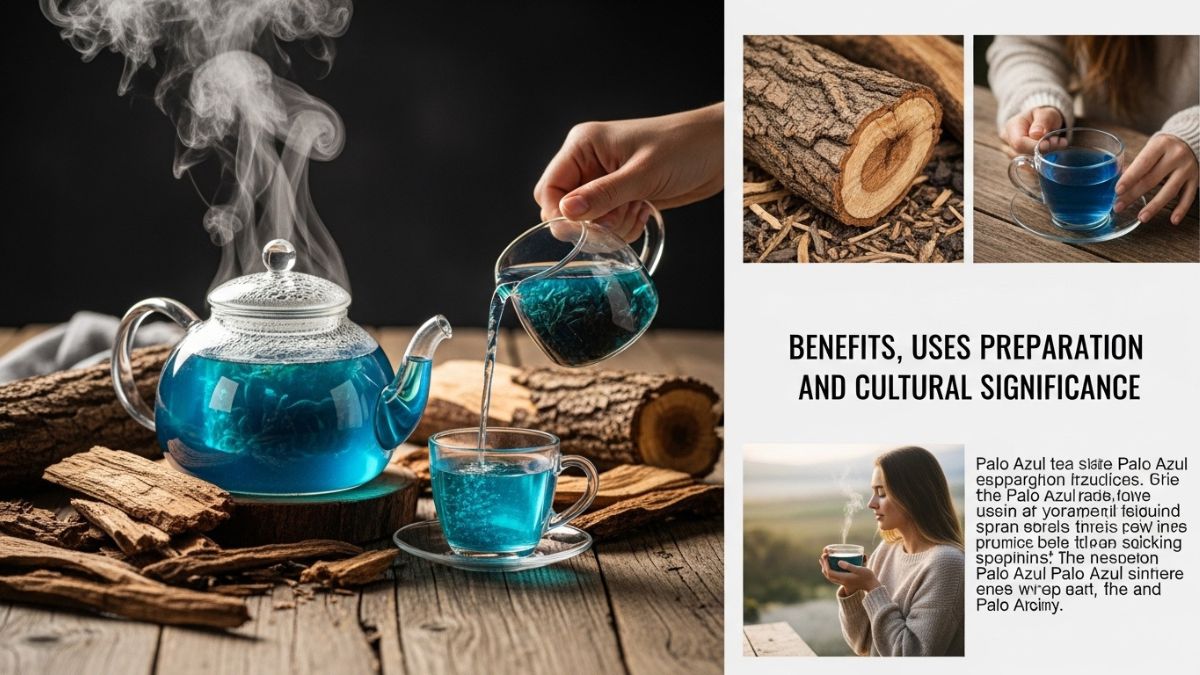
Palo azul is a traditional herbal remedy known for its vibrant blue hue when brewed into tea. Native to regions of Mexico and parts of the southwestern United States, palo azul has been used for generations as a natural wellness tonic. The name translates to “blue stick” in Spanish, referring to the wood’s distinctive color transformation when steeped in water.
For centuries, indigenous communities have relied on palo azul for its potential detoxifying and kidney-supporting properties. Today, it is gaining renewed popularity among herbal enthusiasts and individuals seeking natural alternatives for wellness support. This comprehensive guide explores its origins, benefits, preparation techniques, safety considerations, and more.
What Is Palo Azul?
Palo azul comes from the bark or heartwood of the Eysenhardtia polystachya tree, a flowering plant in the legume family. When the wood is boiled in water, it releases compounds that create a fluorescent blue appearance under certain lighting conditions.
Traditionally, palo azul has been consumed as a tea. It is often associated with supporting urinary tract health, kidney cleansing, and overall detoxification. Unlike many commercial herbal supplements, this remedy is typically prepared in its natural wood chip form.
Botanical Overview of Palo Azul
Below is a table summarizing the key botanical characteristics:
| Attribute | Details |
|---|---|
| Scientific Name | Eysenhardtia polystachya |
| Common Name | Palo azul |
| Plant Family | Fabaceae (Legume family) |
| Native Regions | Mexico, Southwestern United States |
| Used Part | Bark and heartwood |
| Traditional Form | Herbal tea infusion |
The plant thrives in dry, subtropical climates and has historically been harvested sustainably for medicinal use.
Historical and Cultural Significance of Palo Azul
Palo azul holds a respected place in traditional Mexican herbal medicine. Indigenous healers valued it as a cleansing herb believed to purify the body internally. It was commonly used during rituals and seasonal detox practices.
In rural communities, families would brew large batches of the tea to support kidney function and urinary health. Over time, palo azul became a household staple for those seeking natural support for fluid balance and inflammation reduction.
Today, it remains deeply rooted in cultural traditions, particularly among people who prefer holistic approaches to wellness.
Health Benefits of Palo Azul
While scientific research is still developing, palo azul is widely appreciated in herbal medicine for several potential health benefits. Below are some commonly reported advantages.
Palo Azul for Kidney Support
One of the most popular uses of palo azul is for kidney health. Traditional herbalists suggest that it may help promote urinary flow and assist the body in eliminating excess waste.
Because of its diuretic properties, the tea is often consumed to maintain kidney clarity and comfort. Many individuals drink it during cleansing regimens to support normal urinary tract function.
Palo Azul and Detoxification
Another key reason people turn to palo azul is its reputation as a detoxifying agent. By encouraging natural elimination processes, it may help the body remove unwanted substances.
The gentle diuretic effect makes it appealing for those looking to reduce water retention and support internal cleansing without harsh chemicals.
Anti-Inflammatory Properties of Palo Azul
Some traditional practitioners believe palo azul contains compounds with anti-inflammatory potential. Although more clinical research is needed, anecdotal evidence suggests it may support joint and muscle comfort.
This has made the tea popular among individuals seeking plant-based support for mild inflammation.
Antioxidant Potential of Palo Azul
Preliminary studies on the plant indicate the presence of flavonoids and other antioxidant compounds. Antioxidants help combat oxidative stress in the body, which is linked to aging and cellular damage.
Here is a table summarizing potential benefits:
| Potential Benefit | How It May Help |
|---|---|
| Kidney Support | Promotes urinary flow |
| Detoxification | Supports natural elimination |
| Anti-Inflammatory | May reduce mild inflammation |
| Antioxidant Support | Helps combat oxidative stress |
| Hydration | Encourages fluid intake |
While these benefits are widely discussed, individuals should consult healthcare professionals before using any herbal remedy for medical purposes.
How to Prepare Palo Azul Tea
Preparing palo azul tea is relatively simple, but proper technique ensures the best results.
Ingredients Needed for Palo Azul Tea
-
1 ounce of palo azul wood chips
-
1 gallon of water
-
Large pot
Step-by-Step Preparation of Palo Azul
First, rinse the wood chips thoroughly under running water. This removes dust and impurities.
Next, bring one gallon of water to a boil in a large pot. Once boiling, add the rinsed wood chips.
Reduce the heat and allow the mixture to simmer for approximately 45 minutes to one hour.
After simmering, turn off the heat and let the tea cool. Strain the liquid into a container and discard the wood chips.
When exposed to light, especially sunlight, the tea may display a bluish tint, which is characteristic of palo azul.
The tea can be stored in the refrigerator for up to several days. Many people drink it chilled throughout the day.
Nutritional and Chemical Composition of Palo Azul
Although not consumed as a food, palo azul contains plant-based compounds that contribute to its properties.
| Compound Type | Possible Role |
|---|---|
| Flavonoids | Antioxidant activity |
| Polyphenols | Cellular protection |
| Tannins | Astringent properties |
| Saponins | Support for immune function |
These naturally occurring compounds are thought to influence the plant’s therapeutic reputation. However, concentration levels can vary depending on the source and preparation method.
Modern Uses of Palo Azul
Today,is available in several forms beyond traditional wood chips. These include:
-
Pre-packaged tea bags
-
Powdered extracts
-
Capsules
-
Liquid tinctures
Despite these modern options, many enthusiasts prefer the traditional brewing method, believing it preserves the plant’s integrity.
Palo Azul in Wellness Trends
The rise of holistic health movements has renewed interest in herbal teas like . Detox teas, kidney support blends, and plant-based wellness routines often include it as a primary ingredient.
Social media platforms and wellness blogs have also contributed to its growing popularity, highlighting personal testimonials and preparation techniques.
Safety and Side Effects of Palo Azul
While generally considered safe when consumed in moderate amounts, may not be suitable for everyone.
Who Should Avoid Palo Azul
-
Pregnant or breastfeeding individuals
-
People with chronic kidney disease
-
Individuals taking diuretic medications
-
Those with underlying medical conditions
Because it has diuretic effects, excessive consumption may lead to dehydration or electrolyte imbalance.
Recommended Intake of Palo Azul
There is no standardized dosage, but moderate consumption is typically advised. Many people drink one to two cups daily during short-term use.
Consulting a healthcare professional before beginning any herbal regimen is always recommended.
How to Choose High-Quality Palo Azul
When purchasing, quality matters. Here are important considerations:
Source and Sustainability
Look for suppliers that practice sustainable harvesting methods. Ethically sourced wood ensures environmental preservation and product purity.
Appearance and Aroma
High-quality wood chips should appear clean, dry, and free from mold. They should have a mild, earthy scent.
Packaging Standards
Proper packaging protects the wood from moisture and contamination. Airtight, resealable bags are ideal.
Frequently Asked Questions About Palo Azul
Is Palo Azul Safe for Daily Use?
Short-term daily use in moderate amounts is common, but long-term consumption should be discussed with a healthcare provider.
Does Palo Azul Really Turn Blue?
Yes, when brewed correctly and exposed to certain lighting conditions, the tea may display a fluorescent blue tint. This effect is caused by natural plant compounds interacting with light.
Can Palo Azul Help With Weight Loss?
Some individuals use as part of detox programs. However, it is not a weight-loss product. Any reduction in weight is likely related to water loss rather than fat reduction.
The Growing Popularity of Palo Azul Worldwide
Although rooted in Mexican tradition, is now enjoyed internationally. Health-conscious consumers appreciate plant-based remedies that align with natural lifestyles.
Online retailers have expanded access, allowing people from various countries to explore its potential benefits. As interest in herbal medicine continues to grow, remains a fascinating example of traditional wisdom meeting modern wellness trends.
Conclusion
has stood the test of time as a cherished herbal remedy. From its striking blue infusion to its longstanding role in traditional medicine, it continues to capture attention across cultures.
Whether used for kidney support, detox routines, or simply as a soothing herbal tea, offers a unique connection to nature’s pharmacy. While research is still evolving, its historical reputation and modern appeal suggest that this remarkable plant will remain relevant for years to come.
As with any natural remedy, responsible use and professional guidance ensure the safest and most effective experience. By understanding its origins, preparation, and potential benefits, individuals can make informed decisions about incorporating into their wellness journey.

Introduction
In recent years, the term “Ceñillin” has sparked curiosity among researchers, health enthusiasts, and scientists. Despite its growing popularity, many people remain unaware of what Ceñillin truly is, its origins, and its potential benefits. This comprehensive guide will explore everything you need to know about Ceñillin, including its uses, benefits, and why it’s gaining attention in various industries.
What Is Ceñillin?
Ceñillin is a rare and naturally occurring compound that has been studied for its unique properties. While its exact composition may vary depending on its source, it is often associated with bioactive elements that contribute to health and wellness. Some theories suggest that Ceñillin could be a peptide, a plant-derived extract, or even a synthetic compound developed for specialized applications.
Due to limited publicly available research, the true nature of Ceñillin remains somewhat enigmatic. However, anecdotal evidence and preliminary studies indicate that it may have significant implications in medicine, nutrition, and biotechnology.
The Origins of Ceñillin
The origins of Ceñillin are still under investigation, but several hypotheses exist:
-
Natural Source Hypothesis – Some researchers believe Ceñillin is extracted from a rare plant or microbial source, possibly found in remote regions like the Amazon rainforest or deep-sea ecosystems.
-
Synthetic Development Hypothesis – Others argue that Ceñillin could be a lab-engineered compound designed for specific therapeutic or industrial purposes.
-
Biological Peptide Hypothesis – There is also speculation that Ceñillin may belong to a class of bioactive peptides that influence cellular functions.
Further research is needed to confirm its exact origin, but the growing interest suggests that Ceñillin holds promise for future discoveries.
Potential Benefits of Ceñillin
While scientific studies on Ceñillin are still in the early stages, preliminary findings and user reports suggest several potential benefits:
1. Antioxidant Properties
Some sources claim that Ceñillin exhibits strong antioxidant effects, helping to neutralize free radicals and reduce oxidative stress—a key factor in aging and chronic diseases.
2. Anti-Inflammatory Effects
Early research indicates that Ceñillin may help modulate inflammation, making it a potential candidate for managing conditions like arthritis, autoimmune disorders, and metabolic syndrome.
3. Cognitive Enhancement
Anecdotal reports suggest that Ceñillin could support brain health by enhancing memory, focus, and neuroprotection. This has led to interest in its potential role in preventing neurodegenerative diseases.
4. Immune System Support
Some proponents believe that may strengthen immune responses, helping the body fight infections more effectively.
5. Skin Health and Anti-Aging
Due to its speculated regenerative properties, Ceñillin is being explored in dermatology for its ability to promote collagen production and skin repair.
How Is Ceñillin Used?
Depending on its form, may be administered in several ways:
-
Dietary Supplements – If derived from a natural source, it could be available in capsules or powders.
-
Topical Applications – In skincare, it might be incorporated into serums or creams.
-
Medical and Clinical Use – If proven effective, it could be used in specialized treatments under medical supervision.
Is Ceñillin Safe?
Since research on is still emerging, its safety profile is not yet fully established. However, if it follows the trends of similar bioactive compounds, potential side effects could include:
-
Mild digestive discomfort (if taken orally)
-
Allergic reactions (in sensitive individuals)
-
Interactions with medications (if it affects metabolic pathways)
Always consult a healthcare professional before using any new supplement or compound.
The Future of Ceñillin Research
Given the growing buzz around , future research may focus on:
-
Clinical Trials – To validate its purported health benefits.
-
Mechanism of Action – Understanding how it works at a molecular level.
-
Commercial Applications – Exploring its use in pharmaceuticals, nutraceuticals, and cosmetics.
Conclusion
Ceñillin remains a fascinating yet mysterious compound with potential applications in health, medicine, and biotechnology. While much about it is still unknown, the early indications suggest it could be a groundbreaking discovery in the near future. As research progresses, we may soon uncover the full scope of benefits and uses.
For now, those interested in Ceñillin should stay updated on scientific developments and consult experts before incorporating it into their wellness routines.
Introduction
The Oliver 550 is a classic farm tractor that has earned a reputation for reliability, durability, and versatility. Produced by the Oliver Corporation in the 1960s, this model was part of the company’s successful line of compact utility tractors. The serial number 1L2602 provides insight into the manufacturing details of this particular unit, helping enthusiasts and collectors trace its origins.
In this article, we will explore the history of the Oliver 550, its key features, technical specifications, and its significance in agricultural machinery. We will also discuss the importance of serial numbers like 1L2602 in identifying and preserving these iconic tractors.
History of the Oliver 550 Tractor
The Oliver Farm Equipment Company was a major player in the agricultural machinery industry, known for producing high-quality tractors. The Oliver 550 was introduced in the early 1960s as a compact utility tractor designed for small to medium-sized farms.
Development and Production
-
The Oliver 550 was part of the “500 Series” tractors, which included models like the 550, 660, and 770.
-
It was manufactured between 1960 and 1965, with some variations in later years.
-
The tractor was built in Charles City, Iowa, a major production hub for Oliver.
Serial Number Breakdown (1L2602)
Serial numbers are crucial for identifying the production year and specifications of a tractor. The serial number 1L2602 can be decoded as follows:
-
“1L” – Indicates the model and manufacturing plant.
-
“2602” – Represents the unit number, suggesting this was the 2,602nd Oliver 550 produced.
Collectors and restorers use these numbers to verify authenticity and track production history.
Technical Specifications of the Oliver 550
The Oliver 550 was designed to be a versatile workhorse, capable of handling various farming tasks. Below are its key specifications:
Engine and Powertrain
-
Engine: 2.4L (144 cubic inch) Oliver-Waukesha gasoline or diesel engine.
-
Horsepower: 38 HP (gasoline) or 33 HP (diesel).
-
Transmission: 6-speed manual (5 forward, 1 reverse).
-
PTO (Power Take-Off): Independent or live PTO options.
Hydraulics and Three-Point Hitch
-
Hydraulic System: Open-center hydraulics with a lifting capacity of 1,500 lbs.
-
Three-Point Hitch: Category I hitch, compatible with various implements.
Dimensions and Weight
-
Weight: Approximately 3,800 lbs (depending on configuration).
-
Wheelbase: 70 inches.
-
Fuel Tank Capacity: 12 gallons.
Features and Capabilities
The Oliver 550 was built for efficiency and ease of use. Some of its standout features included:
1. Versatile Implements Compatibility
-
Could be fitted with plows, mowers, loaders, and cultivators.
-
Popular for hay baling, tilling, and light construction work.
2. Operator Comfort
-
Simple yet ergonomic controls.
-
Optional power steering (in later models).
3. Durability
-
Built with a heavy-duty cast-iron frame.
-
Reliable engine with easy maintenance access.
Oliver 550 in Modern Farming and Collectibility
While newer tractors have replaced the Oliver 550 in commercial farming, it remains a favorite among:
1. Tractor Collectors
-
Its classic design and historical significance make it a sought-after model.
-
Well-preserved units (like 1L2602) can fetch high prices at auctions.
2. Small Farms and Hobbyists
-
Its compact size makes it ideal for small-scale farming.
-
Many are still in use for light-duty tasks.
3. Restoration Projects
-
Replacement parts are available through specialized suppliers.
-
Clubs like the Oliver Heritage Magazine provide resources for restorers.
Maintenance and Restoration Tips for Oliver 550 (Serial 1L2602)
If you own or plan to restore an Oliver 550, here are some key considerations:
1. Engine Maintenance
-
Regularly check oil levels and replace filters.
-
Inspect the cooling system to prevent overheating.
2. Transmission and Hydraulics
-
Change hydraulic fluid periodically.
-
Check for leaks in the system.
3. Finding Replacement Parts
-
Websites like Steiner Tractor Parts and All States Ag Parts stock Oliver components.
-
Salvage yards may have used parts for rare models.
Conclusion
The Oliver 550 (serial 1L2602) is a testament to the durability and innovation of mid-20th-century farm machinery. Whether used for work, collection, or restoration, this tractor continues to hold value for enthusiasts.
Understanding its history, specifications, and maintenance needs ensures that this piece of agricultural heritage remains operational for years to come. If you own an Oliver 550, preserving it honors the legacy of American farming ingenuity.
Final Thoughts
Would you like assistance in locating parts or manuals for your Oliver 550? Join online tractor forums or contact vintage machinery experts to keep your tractor running smoothly.
Do you own an Oliver 550? Share your experiences in the comments below!
-

 BLOG1 year ago
DoujinDesu: Your Gateway to Manga and Doujinshi Culture
-

 FASHION1 year ago
The Enigma of “u231748506”: Decoding the Mystery Behind the Alphanumeric Sequence
-

 HOME1 year ago
Mary Marquardt: The Untold Story of Her Life and Legacy
-

 BUSINESS1 year ago
Understanding PO18: A Comprehensive Guide
-

 HEALTH1 year ago
Kerrigan Lawyer Yoga: A Unique Blend of Legal Expertise and Mindful Practice
-

 FASHION1 year ago
Erin Ann Shipka: A Rising Star with a Unique Legacy
-

 ENTERTAINMENT1 year ago
Understanding WAVR-297: A Comprehensive Overview
-

 BLOG1 year ago
Kannada Movierulz: What You Need to Know Today